ESC
API Development Kit

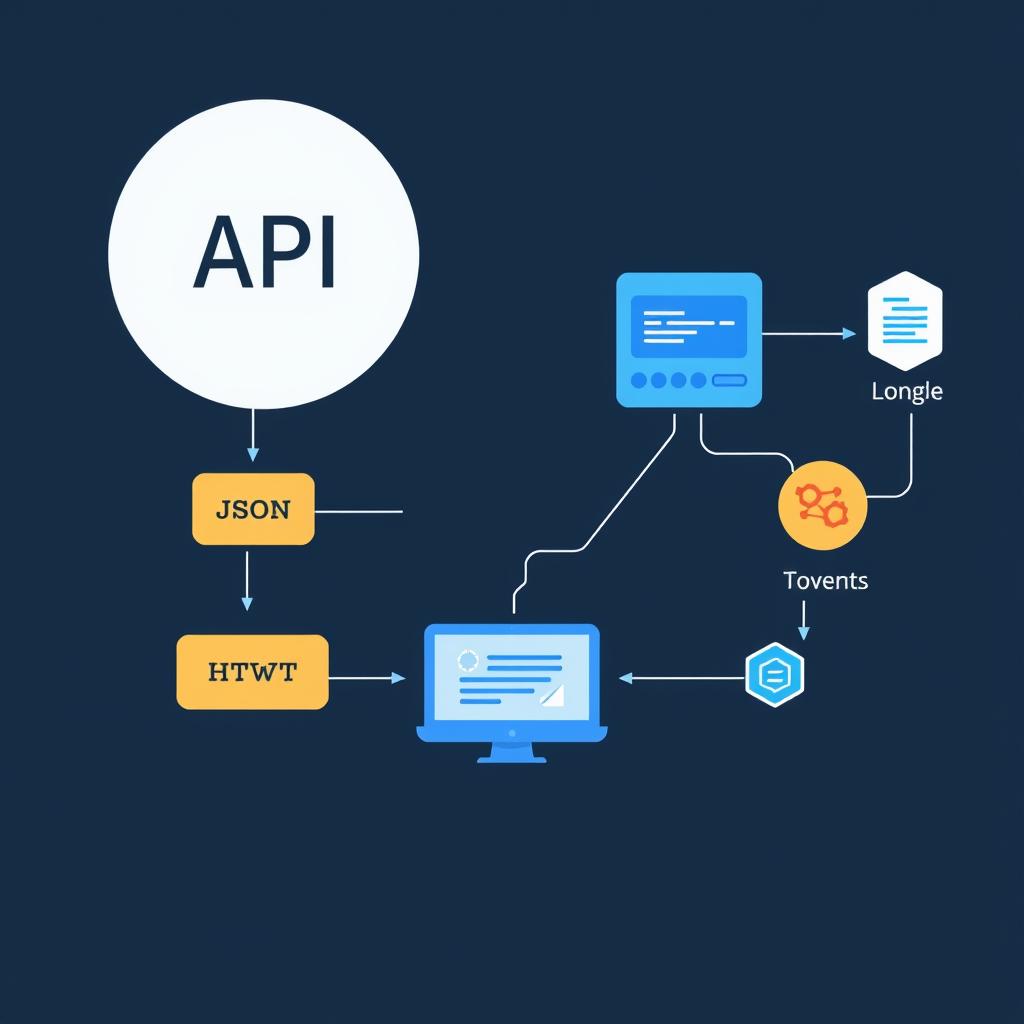
This workflow is for backend developers and API integrators who want a structured way to handle the most common API tasks — from reading raw responses to signing requests for security. Work through the steps in order when starting a new API integration, or jump to any step you need.

7 steps ~15 min 7 tools
01

Format & Validate JSON

API responses need to be readable before you can work with them. Paste raw JSON to check structure and catch syntax errors immediately — malformed JSON causes silent failures that are hard to debug later.

JSON Formatter
Paste the raw API response here to format it with proper indentation and spot any syntax errors before writing a single line of parsing code.
Open Tool
02

Generate Unique Resource IDs

Every resource in your API needs a unique identifier. UUIDs are collision-free, work across distributed systems, and don't expose internal database sequences.

UUID Generator
Generate one or more UUIDs to use as resource identifiers in your API requests, test fixtures, or database seeds.
Open Tool
03

Encode Binary Data for Transport

APIs frequently exchange binary data as text — images, files, certificates. Base64 is the standard encoding for embedding binary in JSON or HTTP headers.

Base64 Encoder / Decoder
Encode a file or binary string to Base64 for embedding in a JSON payload, or decode a Base64 value from an API response to inspect its contents.
Open Tool
04

Encode URL Parameters

Query strings with special characters (spaces, ampersands, equals signs) break API requests. Encode every parameter before appending it to endpoint URLs.

URL Encoder / Decoder
Paste a raw query parameter value here to get its percent-encoded form ready to append to an API endpoint URL.
Open Tool
05

Create Authentication Tokens

Secure your API endpoints with JWT tokens. Set the payload, pick a signing algorithm, and generate tokens to test authentication flows without touching your auth server.

JWT Generator
Build a JWT with your chosen claims and secret key to test protected endpoints or verify that your token validation logic works correctly.
Open Tool
06

Sign Requests for Integrity

Add request signing for webhook verification or API key authentication. HMAC ensures payloads haven't been tampered with in transit — required by Stripe, GitHub, and many other APIs.

HMAC Generator
Generate an HMAC signature for a request body or webhook payload to verify integrity or reproduce the expected signature during debugging.
Open Tool
07

Extract Fields from Responses

When responses are deeply nested, JSONPath lets you extract exactly the fields you need. Faster than writing custom parsers and useful for documenting which fields your code depends on.

JSON Path Finder
Paste a complex API response and click any value to get its JSONPath expression — copy it straight into your code.
Open Tool

Pro Tips

  • Keep a test JSON response saved locally for each API you integrate. Re-paste it into the formatter whenever the API updates to spot new or changed fields quickly.
  • When debugging HMAC mismatches, check character encoding first. A single UTF-8 vs ASCII difference in the key or message produces a completely different signature.
  • JWT payloads are only Base64-encoded, not encrypted. Never put passwords, full credit card numbers, or other sensitive data in a JWT claim.

Frequently Asked Questions

No — the order reflects a typical workflow, but each tool is independent. If you only need to encode a URL parameter or generate a UUID, jump straight to that step.

Yes. All seven tools work regardless of the API style. GraphQL responses are still JSON, authentication still uses JWT or HMAC, and binary data still needs Base64 encoding.

JWT is a token format that carries claims (user ID, roles, expiry) and is verified by the server on each request. HMAC is a signing method used to prove that a message was not altered in transit — commonly used for webhook signatures. They solve different problems and are often used together.

No. Every tool on this site runs entirely in your browser. Your API keys, tokens, payloads, and secrets never leave your device.

Base64 is the standard choice. JSON only supports text, so binary data must be encoded as a string. Most APIs that accept file uploads in JSON bodies expect Base64-encoded values in a dedicated field.

Security and Privacy

Your data security is our priority

Local Processing

All processing happens in your browser

No Data Transfer

Your data is not sent to our servers

No Data Storage

No data is stored or shared

SSL Encryption

SSL encryption for secure connection